
There are seasons when being a professional and being human pull hard in different directions. This is a story about holding both. My mother lived for years with a rare autoimmune illness that inflames the muscles. Her mind stayed bright. Her body did not always cooperate. The disease chipped away at what she could do, and I watched my dad become her primary caregiver as the daily tasks multiplied and the world closed in around them. Through it all she was a teacher. Math was not only her subject. It was her craft and her service. As her kids left for college, the classroom became the center of her life. She stayed after school to help, sponsored clubs, and believed that effort reveals potential. She measured success in the small victories of students who finally saw how a problem worked and in the confidence that followed.
In the months leading up to October 2022, I had been reading intensely with a close friend. We wanted to become better at our work and our service, and books were the tools we used to do it. We built a steady habit, compared notes, and set a date to record our first conversation about a book. We put it on the calendar and prepared.
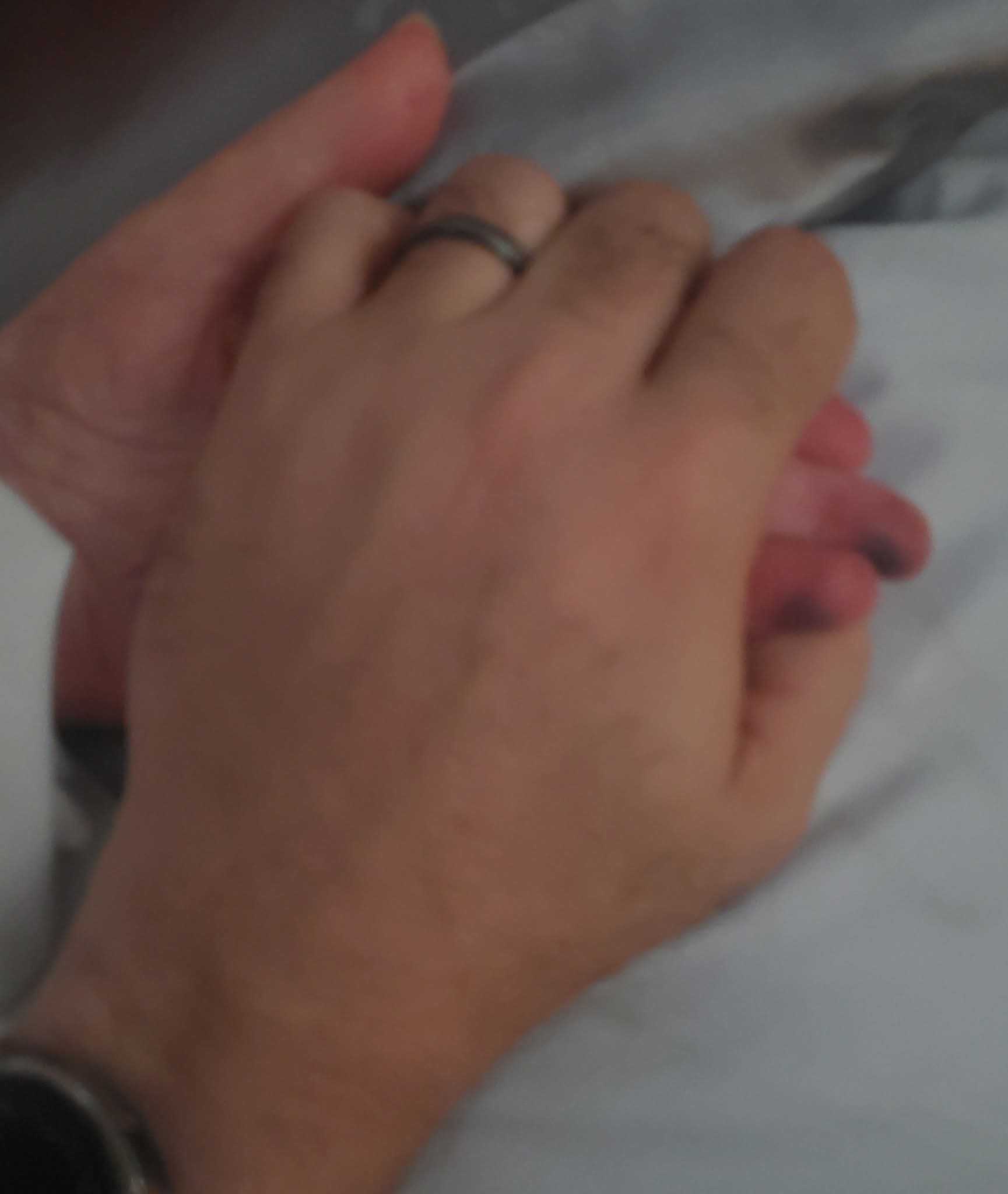
The night before that session, my father called to tell me that my mother had passed. I had seen her earlier that evening. She was lucid. We talked. I knew this moment was near and still felt unprepared when it arrived. I did not tell my wife or my daughter right away. I did not have the words. I slept a little and mostly sat with the ache that comes when a chapter closes and all you want is one more page.
The next morning I went to the studio. We recorded our first conversation about the book we had chosen, Seven Levels of Communication by Michael J. Maher. The premise is simple and useful. Strong relationships create strong businesses, and there is a practical ladder that moves from impersonal outreach to meaningful, face to face conversations. The heart of the book is generosity and follow through. Do what you say you will do. Show up for people. Build trust one action at a time.

There is an idea in the book that described my moment a little too well. Maher calls it success suicide. It is the tendency to wobble or to self sabotage at the edge of momentum, right when things are beginning to work. The counsel is to recognize the moment and keep going. I felt that language in real time. I explained, briefly, what had happened the night before. I cried a little and kept going. There was nothing I could do at that hour to change the loss. There was something I could do to honor a commitment I had made, and I believed my mother would want me to keep it.
The decision shaped the tone of everything that followed. We did not turn our project into a memorial. We did not pretend nothing had happened. We did the work we said we would do and let the truth stay in the room. It made the conversation better. Relationship based work is not a tactic. It is a posture. It is writing a thank you note when you are busy. It is keeping the morning meeting when you slept poorly. It is being fully present with a client on a hard day. It is also knowing when to pause and when to continue. The balance is not clean. It is chosen moment by moment.
I kept thinking about my mother’s classroom. She believed that learning should stretch you without breaking you. She would sit beside a student and ask them to try again, then again, then look up when the pattern clicked. That was her way of giving dignity. The morning after she died, I tried to practice the same kind of patience with myself. I did not try to be perfect. I tried to do the next right thing. Record the conversation I had committed to have. Tell the truth. Call the people who needed to hear the news directly before anything became public. Give my dad time and support. Make space for quiet. Keep faith with clients who counted on us. Take one step, then another.
Grief rearranges a calendar. It does not erase who you are. I learned that momentum is fragile and that the smallest habits can steady you when everything else is unsteady. Reading a chapter. Showing up on time. Finishing the draft you said you would finish. Calling a client when you said you would call. These are rails that carry you forward when your heart is heavy. They do not cure the ache. They keep you from being lost inside it.
There are things I wish were different. I wish I had more time with my mom. I wish I could have lifted more of my dad’s load. You cannot edit the past. You can choose how to honor it. For me that looked like finishing what I started, telling people carefully and in the right order, and letting the work become a small rhythm that made space for the larger waves of loss. It looked like remembering that my mother measured success in effort and progress, not in ease. It looked like giving myself permission to be sad and to be reliable at the same time.
If you are grieving, be gentle with yourself. Keep one promise that matters today, even a small one. Drink water. Tell one person the truth about how you feel. Do one task you said you would do, then rest. Grief does not move in a straight line. It does not obey a clock. It will loosen its grip over time, especially if you give it room and keep hold of the parts of your life that make you feel steady and useful. That is how you continue. That is how you heal.